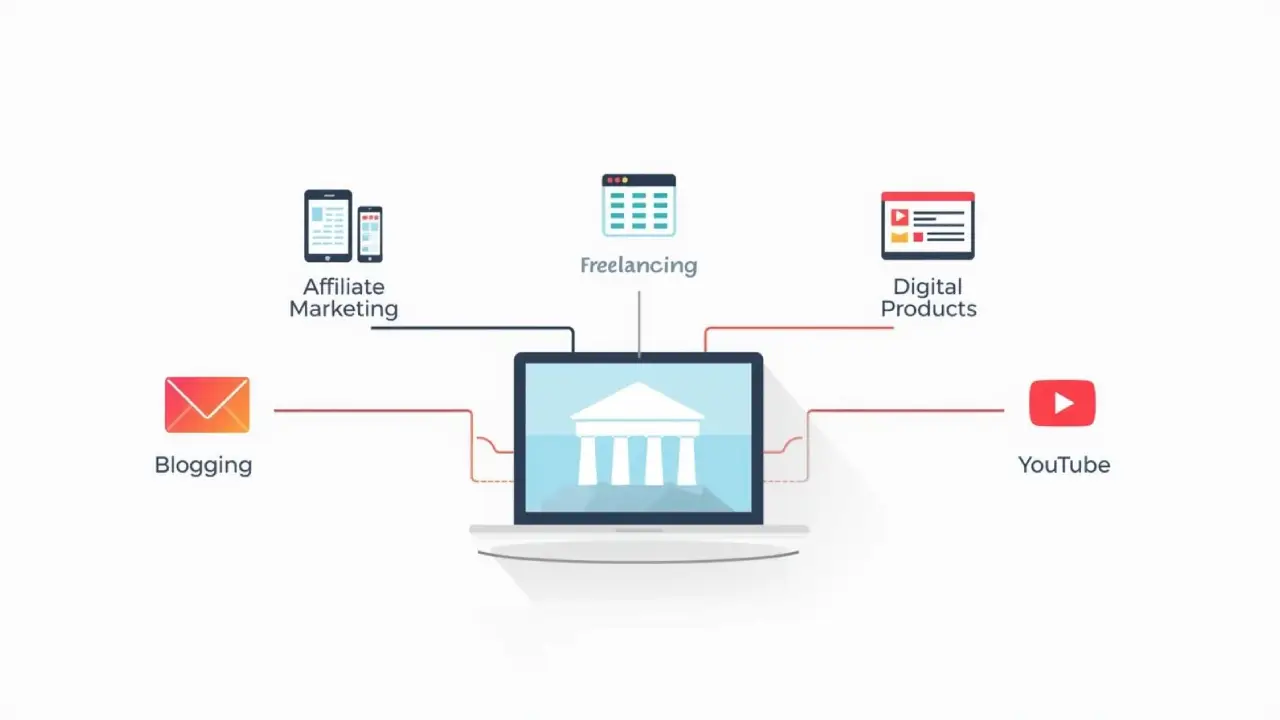



Learning how to start a blog in 2026 is one of the most powerful ways to build an online presence, share knowledge, and create multiple streams of income. What once started as an online journal has now evolved into a full-fledged digital business model. Today, thousands of bloggers around the world earn money through blogging using affiliate marketing, advertising, digital products, and services.
How to Start a Blog as a Complete Beginner
Learning how to start a blog as a complete beginner may seem complicated at first, but with the right steps anyone can build a successful blog.
The good news is that starting a blog has never been easier. You no longer need to be a programmer or web designer to build a professional website. With modern tools, anyone can create a blog and start publishing content within a few hours.
However, starting a profitable blog requires more than just writing articles. You need a clear niche, the right platform, search engine optimization (SEO), and a long-term strategy.
In this guide, you will learn how to start a blog from scratch in 2026, even if you have no previous experience.

Why Blogging Is Still Profitable in 2026
Many beginners wonder if blogging is still worth it. With social media platforms like YouTube, TikTok, and Instagram dominating the internet, some people believe blogging is outdated. In reality, blogging remains one of the most powerful online business models.
Here are several reasons why blogging continues to grow:
First, blogs generate long-term traffic from search engines like Google. A single article can bring visitors for years if it ranks well.
Second, blogs allow you to build authority and trust in your niche. When people read helpful content on your website, they begin to see you as an expert.
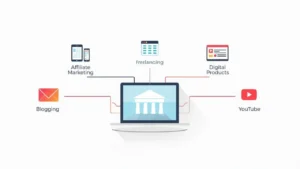
Third, blogging opens the door to multiple income streams, including affiliate marketing, display ads, sponsorships, and digital products.
Finally, a blog is a digital asset that you own. Unlike social media platforms, your website is under your control.
How to Start a Profitable Blog in 2026
Step 1 – Choose a Profitable Blog Niche
The first step in starting a successful blog is choosing the right niche.

A niche is the main topic your blog focuses on. Instead of writing about everything, it is better to specialize in a specific area.
Choosing a niche helps you:
- attract the right audience
- build authority faster
- rank better on Google
- monetize your content more effectively
Some of the most profitable blogging niches include:
- Personal finance
- Online business
- Digital skills
- Health and wellness
- Technology
- Productivity
When selecting your niche, ask yourself three questions:
- Am I interested in this topic?
- Do people search for this topic online?
- Can this niche generate income?
If the answer to all three questions is yes, you have likely found a strong niche.
Why Learning How to Start a Blog Is Important
Step 2 – Choose the Right Blogging Platform
Once you have chosen your niche, the next step is selecting the platform where you will build your blog.
While there are many blogging platforms available, WordPress remains the most popular option for professional bloggers.
WordPress powers over 40% of websites on the internet because it is:
- flexible
- scalable
- beginner-friendly
- SEO optimized
There are two versions of WordPress:
WordPress.com – hosted platform with limited control
WordPress.org – self-hosted platform with full control
If you want to build a profitable blog, it is strongly recommended to use WordPress.org.
How to Start a Blog Step by Step
This option allows you to fully control your website, customize its design, and monetize it however you want.
Step 3 – Get a Domain Name and Web Hosting

Every blog needs two essential components:
- Domain name
- Web hosting
Your domain name is the address of your website, such as: example.com
It should be:
- short
- memorable
- relevant to your niche
Your hosting provider is the company that stores your website and makes it accessible online.
For beginners, it is best to choose a hosting provider that is:
- reliable
- affordable
- easy to use

Many bloggers start with beginner-friendly hosting platforms that offer:
- one-click WordPress installation
- fast website speed
- security protection
Choosing the right hosting provider is one of the most important steps in starting your blog.
Step 4 – Install WordPress and Set Up Your Blog
After purchasing hosting, the next step is installing WordPress.
Most modern hosting companies offer one-click WordPress installation, which makes the process extremely simple.
Once WordPress is installed, you can log into your website dashboard and start customizing your blog.
Some important things to configure include:
- your website title
- permalink structure
- basic settings
- security settings
At this stage, your blog is officially live.
Step 5 – Choose a Professional Blog Design
Design plays a significant role in how visitors perceive your blog.
A clean, professional design builds trust and encourages people to stay longer on your website.
Fortunately, WordPress offers thousands of themes that allow you to design your blog without coding.
When choosing a theme, look for one that is:
- mobile-friendly
- fast loading
- SEO optimized
- simple and readable
Avoid overly complicated designs. Simplicity often leads to better user experience.
Step 6 – Install Essential Blogging Tools
To grow a successful blog, you will need a few essential tools and plugins.
These tools help you improve SEO, track traffic, and optimize your content.
Some useful tools for bloggers include:
- SEO tools that help optimize your articles for search engines.
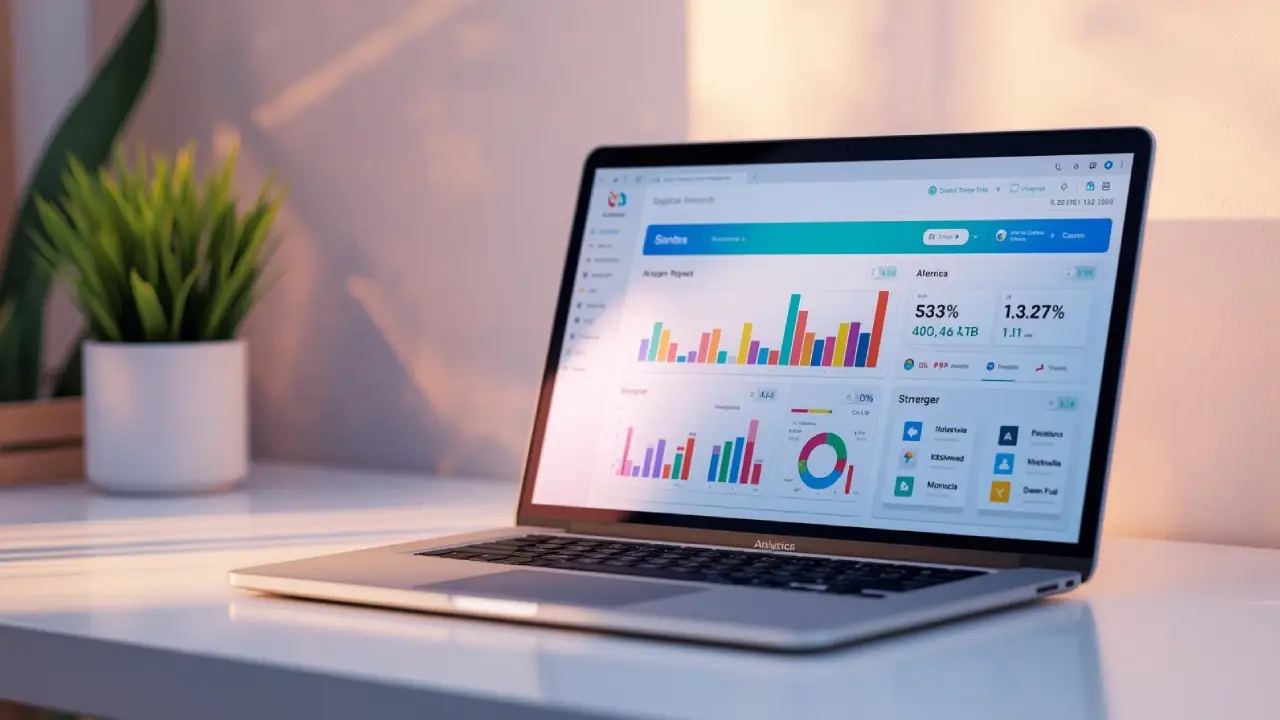
- Analytics tools that allow you to track website visitors and understand audience behaviour.
- Content tools that assist with writing, editing, and designing blog posts.
- Using the right tools can significantly speed up your blogging journey.
Step 7 – Write High-Quality Blog Content

Content is the foundation of every successful blog.
Without valuable content, it is impossible to attract readers or rank on search engines.
When writing blog posts, focus on solving problems and answering questions people are searching for.
A good blog post should include:
- a compelling introduction
- clear headings and structure
- useful information
- practical tips or examples
Quality always matters more than quantity.
Instead of publishing many short articles, it is often better to write detailed and informative guides.
Step 8 – Learn Basic SEO (Search Engine Optimization)
Search engine optimization, or SEO, is the process of optimizing your content so it appears in search engine results.
SEO is what allows your blog to receive free traffic from Google.
Some basic SEO practices include:
- Using relevant keywords in your titles and headings.
- Writing helpful content that answers user questions.
- Creating internal links between related articles.
- Optimizing images and improving page speed.
SEO may seem complicated at first, but learning the basics can dramatically increase your blog traffic over time.
Step 9 – Promote Your Blog and Grow Traffic
Publishing articles alone is not enough. You also need to promote your blog and attract readers.
There are several effective ways to grow blog traffic:
- Search engine optimization (SEO)
- Social media sharing
- Email marketing
- Online communities and forums
Consistency is key. The more valuable content you create and promote, the faster your blog will grow.
Step 10 – Monetize Your Blog
Once your blog starts receiving visitors, you can begin monetizing it.

There are many ways to earn money from blogging.
Some of the most common monetization methods include:
- Affiliate marketing, where you earn commissions by recommending products or services.
- Display advertising through networks like Google AdSense.
- Selling digital products such as e-books or online courses.
- Offering freelance services or consulting.
- Many successful bloggers combine multiple income streams to maximize their earnings.
Final Thoughts
How to Start a Profitable Blog in 2026
Starting a profitable blog in 2026 is not only possible, but it is also one of the most accessible online businesses anyone can build.
With the right niche, consistent content creation, and basic SEO knowledge, you can turn your blog into a valuable digital asset.
Remember that blogging is a long-term journey. Most successful blogs take time to grow, but the rewards can be significant.
If you stay consistent, focus on helping your audience, and continue improving your content, your blog can eventually generate both influence and income.
Frequently Asked Questions About Starting a Blog
How much does it cost to start a blog?
Starting a blog is relatively inexpensive. Most beginners can launch a blog with a domain name and hosting plan that costs between $50 and $100 per year.
How long does it take to make money from blogging?
Most blogs take between six months and one year to start generating consistent income. Success depends on the niche, content quality, and marketing strategies used.
Do you need technical skills to start a blog?
No technical skills are required to start a blog today. Modern blogging platforms provide simple tools that allow beginners to create and manage websites without coding.
How many articles should a new blog publish?
A new blog should aim to publish at least 20 to 50 high-quality articles within the first few months to build authority and attract search engine traffic.