



If you want your blog posts to rank on Google and bring consistent traffic, learning how to use keyword research tools for bloggers is essential. Keyword research is the foundation of SEO because it helps you understand what people are searching for online and how you can create content that matches those searches.
Many beginner bloggers struggle because they write content without researching keywords first. As a result, their articles rarely appear in search results, and their blogs receive little to no organic traffic. This is where keyword research tools become extremely valuable.
Keyword research tools help bloggers discover high-traffic, low-competition keywords that people are actively searching for on Google. By targeting these keywords, bloggers can create content that ranks higher in search results, attracts more readers, and ultimately generates more income through blogging, affiliate marketing, and online business.
Today, both free keyword research tools and paid SEO tools allow bloggers to analyze search volume, keyword difficulty, competition level, and search intent. With the right tools and strategies, even beginner bloggers can compete with larger websites.
In this guide, you will learn:
- what keyword research is and why it matters
- the best keyword research tools for bloggers in 2026
- how to find low-competition keywords
- how to perform keyword research step-by-step
- which tools professional bloggers and SEO experts use
By the end of this article, you will have a clear strategy for finding profitable keywords and growing your blog traffic.
Quick Answer
What are the best keyword research tools for bloggers?
The best keyword research tools for bloggers include Ahrefs, SEMrush, Ubersuggest, Google Keyword Planner, AnswerThePublic, and Keywords Everywhere. These tools help bloggers find high-traffic keywords, analyze competition, discover long-tail keywords, and identify SEO opportunities that can improve blog rankings and increase organic traffic.
Table of Contents
- What Is Keyword Research Tools for Bloggers
- Why This Topic Matters for Beginners
- Step-by-Step Guide to Keyword Research
- Keyword Tool Comparison
- Practical Tips for Better Results
- Best Keyword Research Tools for Bloggers
- Common Mistakes Beginners Make
- Expert Tips for SEO and Traffic
- How to Get Started Today
- Final Thoughts
- Frequently Asked Questions
What Is Keyword Research Tools for Bloggers
Keyword research tools for bloggers are software tools that help identify search terms people use on search engines like Google.
These tools provide important data such as:
- search volume
- keyword difficulty
- competition level
- cost-per-click (CPC)
- related keyword suggestions
With this information, bloggers can choose the right topics to write about and improve their chances of ranking on Google.
For example, instead of writing a broad article like:
“Blogging Tips”
A keyword tool might show a better opportunity like:
“blogging tips for beginners in 2026”
This type of long-tail keyword is easier to rank for and often attracts more targeted readers.
Keyword research tools essentially help bloggers answer one important question:
What content should I create that people are already searching for?
Why This Topic Matters for Beginners
Many beginners start blogs but struggle to get traffic. The biggest reason is simple: they write content without doing keyword research.
Understanding keyword research can help beginners:
Rank faster on Google
Choosing the right keywords increases your chances of appearing in search results.
Find profitable blog topics
Keyword tools reveal topics that already have demand.
Understand search intent
You learn what readers actually want.
Grow organic traffic
Instead of relying on social media, SEO traffic can grow consistently over time.
Increase affiliate income
When your content ranks on Google, you can earn through:
- affiliate marketing
- ads
- digital products
- online services
For bloggers building a long-term online business, keyword research is one of the most valuable skills to learn.
Step-by-Step Guide to Keyword Research
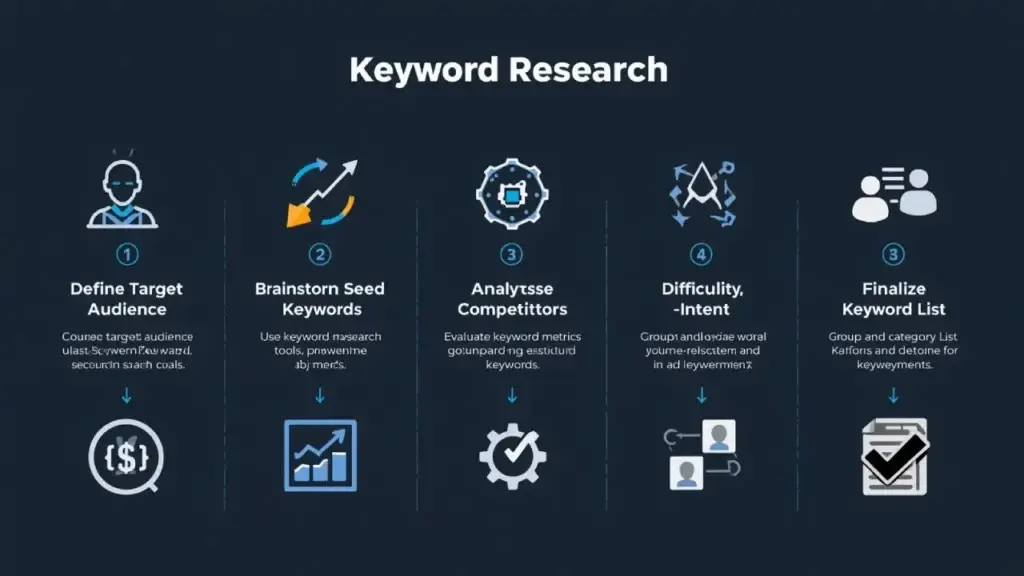
Step 1: Start With a Broad Topic
Begin with a general niche topic.
Example:
- blogging
- affiliate marketing
- SEO
- online business
Then enter that topic into a keyword research tool.
Example:
“blogging tools”
The tool will generate dozens or hundreds of keyword ideas.
Step 2: Find Long-Tail Keywords
Long-tail keywords are longer search phrases that are easier to rank for.
Examples:
- best blogging tools for beginners
- free keyword research tools for bloggers
- how to start a blog in 2026
Long-tail keywords often have:
- lower competition
- clearer search intent
- higher conversion rates
Step 3: Check Search Volume
Search volume shows how many people search for a keyword each month.
For beginners, a good range is:
100 – 3,000 searches per month
This indicates the keyword has traffic potential but may still be achievable.
Step 4: Analyze Keyword Difficulty

Keyword difficulty measures how hard it is to rank for a keyword.
Beginners should target keywords with: Low to medium difficulty
High-competition keywords are usually dominated by large websites.
Step 5: Analyze Search Intent
Search intent describes why someone searches for a keyword.
There are four main types:
- informational
- commercial
- transactional
- navigational
Example: “best keyword research tools” → commercial intent.
Understanding search intent helps create the right content.
Keyword Tool Comparison
Here is a simple comparison of popular keyword research tools.
| Tool | Free Version | Best For | Difficulty Data |
|---|---|---|---|
| Ahrefs | Limited | Advanced SEO | Yes |
| SEMrush | Trial | Competitor research | Yes |
| Ubersuggest | Free plan | Beginners | Yes |
| Google Keyword Planner | Free | Google search data | Limited |
| AnswerThePublic | Limited | Content ideas | No |
| Keywords Everywhere | Paid extension | Quick research | Yes |
Each tool has strengths depending on your needs and experience level.
Practical Tips for Better Results
When using keyword research tools, follow these tips:
- Focus on low-competition keywords
- Use long-tail keywords
- Analyze the top Google results
- Check competitor keywords
- Target search intent correctly
- Write comprehensive content
- Update old articles regularly
SEO success is not only about choosing keywords but also creating valuable content around them.
Best Keyword Research Tools for Bloggers
Here are some of the most powerful keyword research tools bloggers use today.
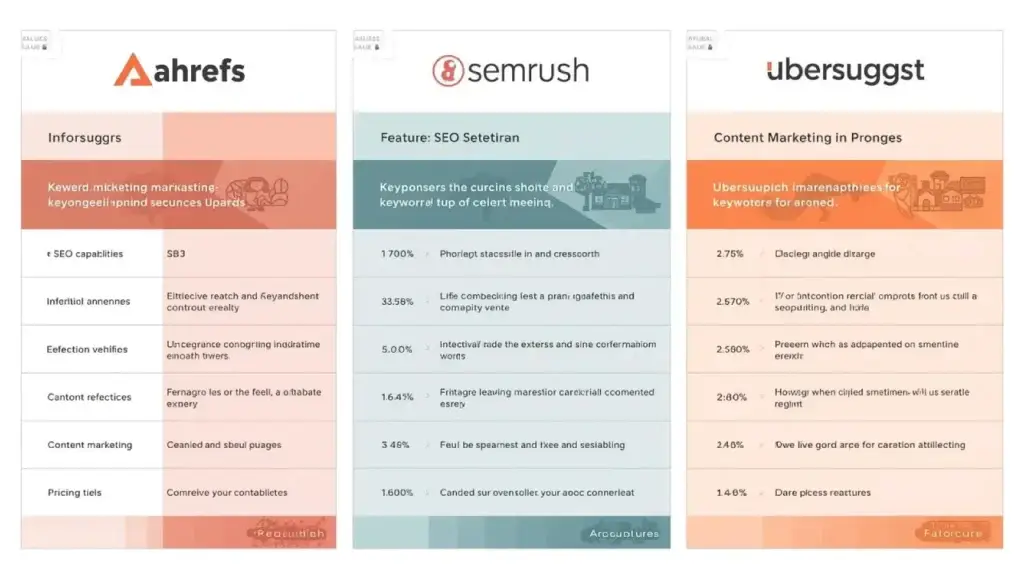
Ahrefs
Ahrefs is one of the most powerful SEO platforms available.
Key features:
- keyword explorer
- keyword difficulty score
- backlink analysis
- competitor research
Bloggers often use Ahrefs to find keywords competitors are ranking for.
Best for:
- professional bloggers
- SEO specialists
- affiliate marketers
SEMrush
SEMrush is another popular SEO tool used by marketers and businesses.
Features include:
- keyword research
- traffic analytics
- site audits
- competitive analysis
SEMrush also helps discover content gaps between your blog and competitors.
Ubersuggest
Ubersuggest is beginner-friendly and widely used.
Key benefits:
- free keyword suggestions
- search volume data
- keyword difficulty analysis
- content ideas
For beginner bloggers, Ubersuggest is often one of the easiest tools to start with.
Google Keyword Planner
Google Keyword Planner is a free tool from Google.
Although designed for advertisers, bloggers can still use it for keyword research.
Advantages include:
- reliable search data
- keyword ideas
- search trends
However, the tool provides less SEO detail compared to premium tools.
AnswerThePublic
AnswerThePublic helps find questions people ask online.
Examples:
- how to start blogging
- why blogs fail
- what blogging platform is best
This makes it excellent for finding blog topics and FAQs.
Keywords Everywhere
Keywords Everywhere is a browser extension that shows keyword data directly in search results.
It provides:
- search volume
- keyword difficulty
- related keyword ideas
It is useful for quick keyword research while browsing Google.
Common Mistakes Beginners Make
Many bloggers make mistakes during keyword research.
Targeting keywords that are too competitive
Large websites dominate high-competition keywords.
Ignoring search intent
Even if a keyword has traffic, the content must match the user’s goal.
Not using long-tail keywords
Long-tail keywords are easier to rank for.
Writing content without research
Always research keywords before writing blog posts.
Using too many keywords
Keyword stuffing harms SEO rankings.
Avoiding these mistakes will improve your chances of ranking on Google.
Expert Tips for SEO and Traffic
Professional bloggers follow several strategies when performing keyword research.
Focus on topical authority
Write multiple articles around a specific topic.
Example cluster:
- keyword research guide
- best keyword research tools
- long-tail keyword strategies
Analyze competitors
Look at what keywords successful blogs are ranking for.
Use internal linking
Link related articles together.
Update content regularly
Updating articles can improve rankings.
Track rankings
Monitor your keywords using SEO tools.
How to Get Started Today
If you are new to keyword research, follow this simple action plan:
- Choose a niche topic
- Use a keyword research tool
- Find long-tail keywords
- analyze competition
- write a high-quality blog article
- optimize for SEO
- publish consistently
Consistency is key to building a successful blog.
Final Thoughts
Keyword research is one of the most important skills for bloggers. Without it, even the best content may never reach the right audience.
Using the best keyword research tools for bloggers can help you discover what people are searching for and create content that ranks on Google.
Whether you use free tools or premium SEO platforms, the goal remains the same:
Find the right keywords, create valuable content, and build a blog that attracts consistent organic traffic.
With the right strategy, keyword research can transform your blog into a powerful source of traffic, income, and online authority.
Frequently Asked Questions
What is the best free keyword research tool?
Google Keyword Planner, Ubersuggest, and AnswerThePublic are among the best free keyword research tools for bloggers.
Are paid keyword tools worth it?
Yes. Paid tools such as Ahrefs and SEMrush provide deeper keyword data, competitor analysis, and advanced SEO insights.
What is a long-tail keyword?
A long-tail keyword is a longer and more specific search phrase, usually easier to rank for and more targeted.
How many keywords should a blog post target?
Most blog posts should focus on one primary keyword and several related secondary keywords.
Can beginners do keyword research?
Yes. With beginner-friendly tools like Ubersuggest and Google Keyword Planner, anyone can start learning keyword research.
FAQ SCHEMA
Question: What are keyword research tools for bloggers?
Answer: Keyword research tools for bloggers help identify search terms people use online so bloggers can create content that ranks on search engines.
Question: What is the best keyword research tool?
Answer: Popular keyword research tools include Ahrefs, SEMrush, Ubersuggest, Google Keyword Planner, and AnswerThePublic.
Question: Are free keyword research tools good enough?
Answer: Free keyword tools can help beginners start SEO, but paid tools usually provide deeper data and competitive insights.
Question: Why is keyword research important for blogging?
Answer: Keyword research helps bloggers create content that matches real search queries, improving rankings and organic traffic.
INTERNAL LINKING SUGGESTIONS
Add internal links to:
- How to Start a Blog → introduction section
- Best Blogging Tools → tools section
- Affiliate Marketing Guide → monetization mention
- Blogging Mistakes Beginners Make → mistakes section
Suggested authority links:
- Google Search Central
- Ahrefs Blog
- Semrush Blog
- HubSpot SEO Guide
- WordPress.org
EXTERNAL SOURCES
Suggested authority links:
- Google Search Central
- Ahrefs Blog
- Semrush Blog
- HubSpot SEO Guide
- WordPress.org
FINAL CTA
If you want to grow your blog traffic faster, start by mastering keyword research.
Choose a keyword tool, find low-competition keywords, and create helpful content that answers real questions.
Your next step:
- start a blog
- choose the right blogging platform
- join affiliate programs
- publish your first SEO-optimized article
And if you want to learn more, check out our complete guide on how to start a blog and make money online.